

15 Oct 5 Questions to Ask Before Leasing Commercial Space Out
Leasing commercial space to tenants can create dependable income and strengthen the long-term value of an investment property. However, attracting a tenant is only one part of the process. Property owners should consider the building, market, lease terms, and ideal occupant before moving forward.
Before leasing out commercial property, ask yourself:
- What type of tenant is the best fit for the property?
- Is the property ready for prospective tenants?
- What is the market rental rate?
- What lease terms will protect your interests?
- How will the space be marketed to qualified prospects?
Questions to Ask Before Leasing Commercial Space
Before leasing out commercial space, determine the ideal tenant, property condition, rental rate, lease structure, and marketing plan. Match the space’s location, layout, parking, visibility, and amenities to tenant needs. Competitive pricing, necessary improvements, clear lease responsibilities, and targeted marketing attract qualified tenants, reduce occupancy downtime and fill vacancies.
1. What type of tenant is the best fit for the property?
Before leasing commercial space, identify the kinds of businesses that can realistically succeed at the location. A medical office, restaurant, professional-services firm, retailer, or warehouse user will each have different requirements for:
- Layout
- Parking
- Access
- Visibility
- Utilities
- Zoning
Consider the property’s size, condition, location, traffic patterns, loading capabilities, and nearby businesses. For example, a highly visible storefront near residential neighborhoods may be well suited to a service retailer. Alternatively, an industrial building near major transportation routes may appeal more to logistics, manufacturing, or distribution tenants.
A clearly defined tenant profile helps you market your space more effectively and avoid pursuing prospects that are not a practical long-term fit.
2. Is the property ready for prospective tenants?
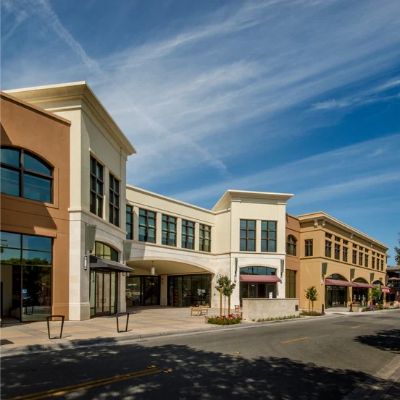
The physical condition of a property can directly affect how quickly it leases up and the type of tenant it attracts. Before leasing out commercial space, evaluate the building from a tenant’s perspective. Is the exterior maintained? Are common areas clean? Does the property have reliable HVAC, electrical, plumbing, lighting, accessibility features, and security?
Owners should also assess whether the footprint works for likely users. Some tenants may need:
- Private offices
- Open work areas
- High ceilings
- Additional restrooms
- Storage
- Parking
- Loading access
Retail and restaurant tenants may need signage opportunities, grease traps, outdoor seating, or customer parking.
Completing necessary repairs and making targeted improvements before listing the property can reduce objections during tours and help prospects picture their businesses operating in the space. If a property is in disarray, a plan should be made to improve it.
3. What is the market rental rate?
Setting the right rate is one of the most important decisions involved in leasing commercial space out. A rental rate that is too high may cause the property to sit vacant. On the other hand, a rate that’s too low can reduce potential income and make it harder to cover operating costs.
Research comparable properties in the local market, including:
- Location
- Square footage
- Condition
- Amenities
- Lease structure
- Vacancy status
Owners should also understand whether quoted rates are based on a gross lease, modified gross lease, triple-net lease, or another structure.
Market conditions matter as well. When a particular type of commercial property is in high demand, owners may be able to command stronger rental rates. However, if the market includes a large supply of similar available properties, offering more flexible lease terms or tenant incentives may be necessary to remain competitive.
A market price analysis can help determine what qualified tenants are realistically willing to pay.
4. What lease terms will protect your interests?
A commercial lease should do more than state the monthly rent. Before leasing commercial space out, you should determine the terms that will create a stable and manageable landlord-tenant relationship.
Important questions include:
- How long should the initial lease term be?
- Will the tenant have renewal options?
- How will rent increase over time?
- Who handles utilities, maintenance, repairs, taxes, insurance, etc.?
- What security deposit or personal guarantee will be required?
- Will the tenant be permitted to sublease or assign the lease?
- What happens if the tenant defaults or leaves early?
The right lease structure depends on the property and the tenant’s business model. A well-written agreement can clarify responsibilities, limit avoidable disputes, and support more predictable ownership costs.
Time and time again, a landlord or tenant we represented in a transaction will call us years later, asking us for advice on a matter that has arisen. Our first question is, “What does the lease say?” It’s crucial that you use a good lease form and get help from a reputable real estate attorney and agent.
5. How will the space be marketed to qualified prospects?
Effective leasing requires more than placing a sign outside the building. When leasing commercial space, owners need a strategy that reaches businesses actively looking for a location and presents the property’s strengths clearly.
Marketing materials should include:
- Accurate square footage
- Professional photos
- Property highlights
- Lease information
- Floor plans when available
- Details about parking, access, zoning, and nearby amenities
The listing should highlight the benefits that matter most to likely tenants. For instance, retail businesses may value visibility, industrial users may need easy access to major roads, and office tenants may prefer locations near hospitals or other professional services.
A commercial real estate advisor can help position the property, identify prospective tenants, manage inquiries, coordinate tours, and negotiate terms that support the owner’s goals.
Choose SVN | Wood Properties to Find the Right Tenants for Your Space
SVN | Wood Properties helps East Tennessee owners connect with quality tenants who fit their properties and long-term goals. Our team brings decades of regional experience and market knowledge to properties for:
- Office
- Retail
- Industrial
- Land
- Mixed-use
When leasing commercial space, SVN | Wood Properties considers several factors to position a property effectively. These include local demographics, consumer behavior, traffic counts, building functionality, transportation access, and current market pricing.
We also offer a free market price analysis, helping you make informed decisions before going to market. With a tailored approach focused on the right tenants and the right deals, SVN | Wood Properties can help create lasting value for your commercial property.

Before leasing commercial space out, owners should evaluate the property’s ideal tenant, condition, market rental rate, lease terms, and marketing strategy. Preparing the space, pricing it competitively, and targeting qualified prospects can support a smoother leasing process. SVN | Wood Properties provides East Tennessee market insight and tailored guidance to help owners attract suitable tenants and build long-term property value.
SVN | Wood Properties is your premier choice for comprehensive commercial real estate solutions in East Tennessee. We are part of SVN International, a network of more than 2,000 advisors and staff in 200+ offices worldwide. We leverage the power of a global real estate network and local market expertise for every client we help.